Turtle Island, Wild Rice, and a Cookbook That’s Really About Culture
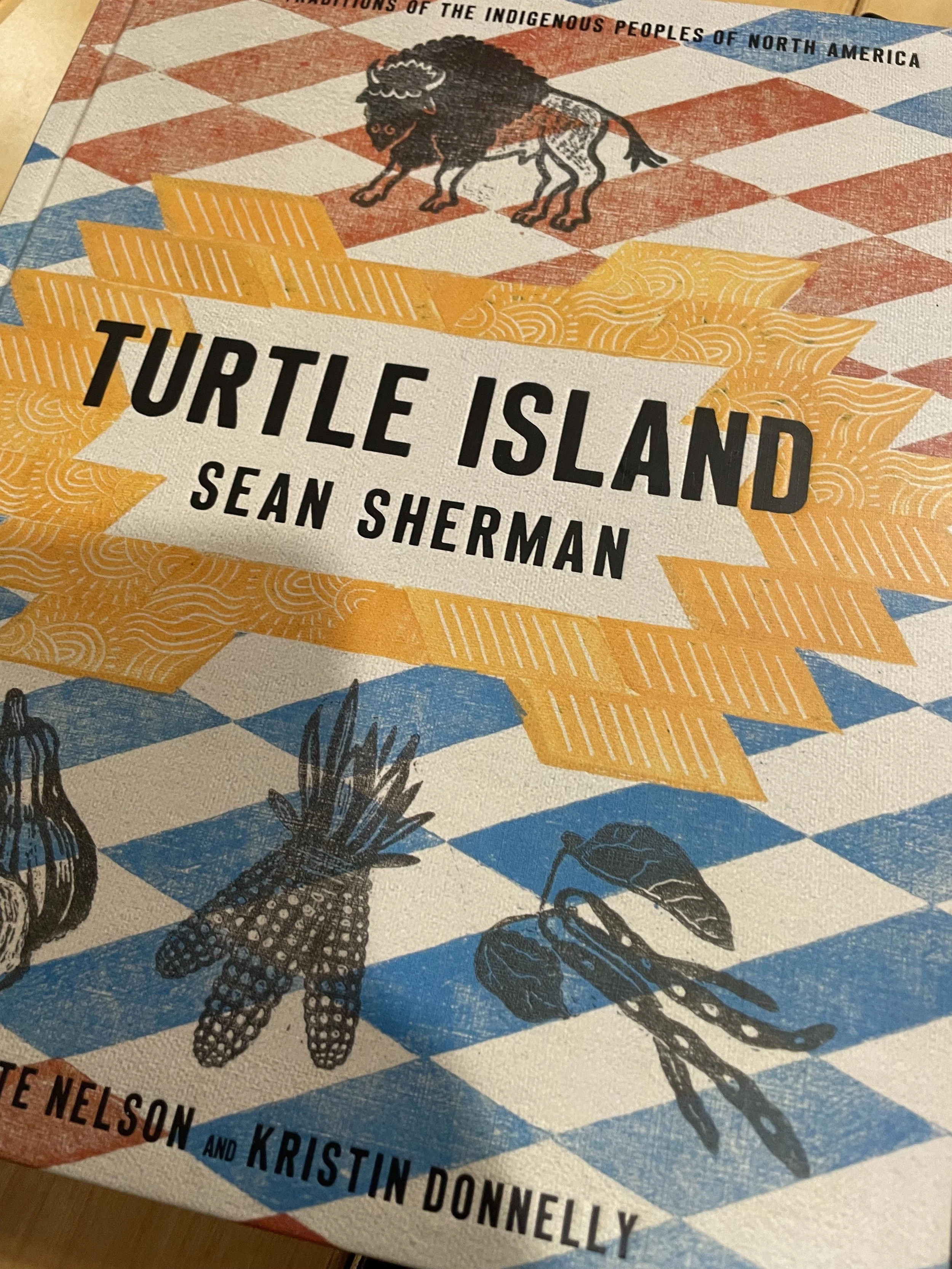
An Amazing Cookbook to Learn From
Some cookbooks teach you recipes. Others quietly introduce you to a completely different way of thinking about food.
The Turtle Island falls into the second category.
Written by Sean Sherman, the book explores the ingredients, traditions, and stories of Indigenous cuisine across North America. Sherman often refers to the continent as Turtle Island, a name used by many Indigenous cultures to describe the land we now call the United States and Canada.
It’s a powerful framing. And it immediately changes how you look at the recipes.
A Cookbook Built Around Native Ingredients
One of the most interesting aspects of the book is how it focuses on ingredients that are native to specific regions of North America.
Instead of the usual pantry staples found in most modern cookbooks, you’ll see things like:
Bison
Elk
Juniper and other conifer flavors
Wild berries
Squash varieties native to the Americas
Wild rice
And here’s something I didn’t know until opening the book:
Wild rice is native to the Great Lakes region.
It’s not actually rice in the traditional sense but a native aquatic grass that has been harvested by Indigenous communities for generations.
Once you start reading the book through that lens, the recipes feel less like dishes and more like expressions of landscape and place.
For Curious and Adventurous Cooks
This is a fascinating book if you’re the kind of cook who enjoys trying unfamiliar ingredients.
Recipes feature things like roasted game meats, foraged plants, and techniques rooted in regional Indigenous traditions. For experienced cooks who enjoy exploring new flavors and ingredients, it’s incredibly inspiring.
It also pushes you to think about cooking without many of the European ingredients that dominate modern American cuisine—no dairy, no refined sugar, and very little wheat.
That shift alone makes the book interesting.
Not Exactly a Weeknight Cookbook
At the same time, this probably isn’t the cookbook most people will reach for when they’re deciding what to make on a Tuesday night.
Many of the ingredients are specialized or difficult to find, and some recipes require a level of preparation or sourcing that goes beyond the average home pantry.
But that doesn’t make the book less valuable.
In fact, it makes it a great book to read, even if you don’t cook from it often.
A Cookbook That Teaches You Something
If anything, the biggest takeaway from Turr isn’t a specific recipe.
It’s the realization that the foods we think of as “American cuisine” are only part of the story.
Long before supermarkets and standardized ingredients, Indigenous communities were cooking with the plants, animals, and landscapes around them—ingredients that still exist today if you know where to look.
And sometimes a cookbook’s real job isn’t just to teach you what to cook.
It’s to teach you how to see food differently.
